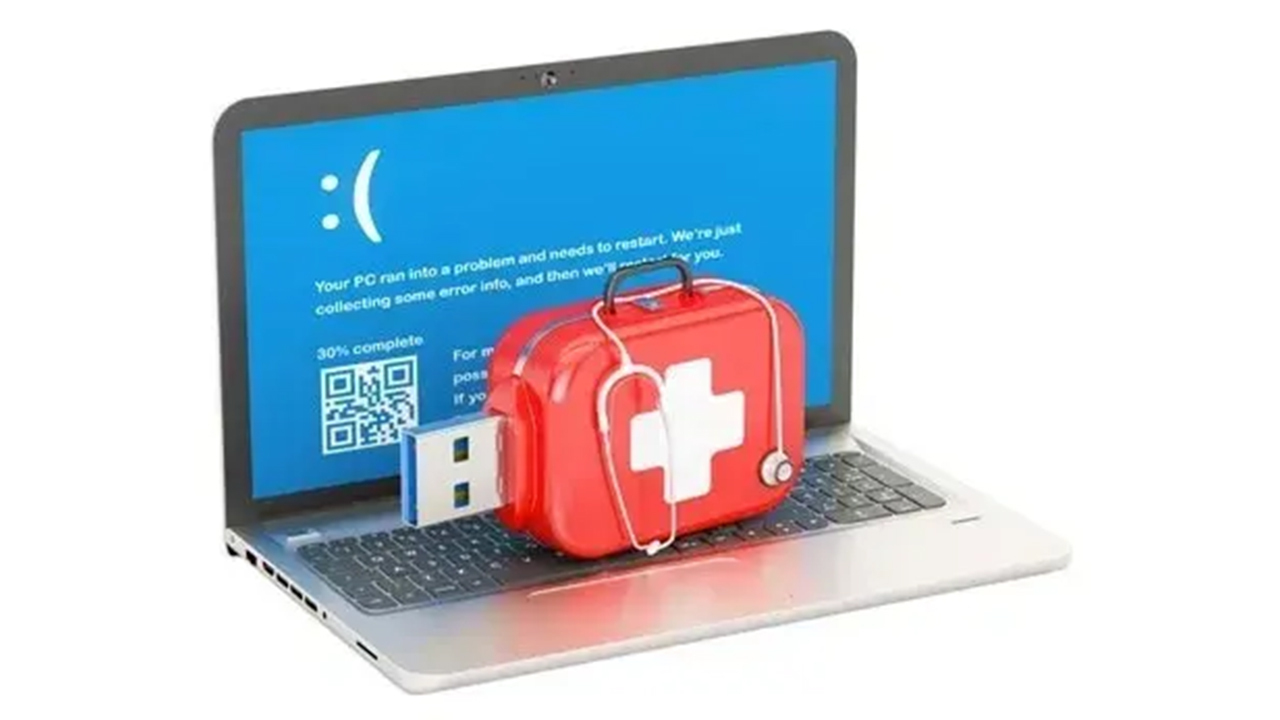
You're reading the news or checking email when the screen suddenly fills with a red warning. An alarm sounds. A message says your computer is infected, your files are at risk, and you need to call a "support" number right now. It can feel urgent and frightening, and that's exactly the point.
These warnings are almost always fake. They're designed to scare you into calling a scammer, paying for useless "repairs," or handing over remote access to your computer. Here's how to spot them, how to close them safely, and what to do if you've already engaged. We Fix Phones N More helps customers from Horsham, Warminster and the surrounding area clean up after these scams regularly.
Real security software and operating systems don't behave like these pages. Watch for these signs:
Don't click anything inside the warning, including buttons that say "Close," "Cancel" or "Scan now." Those can lead to more scam pages or downloads.
Press Ctrl + Shift + Esc to open Task Manager, select your web browser, and choose End task. If the screen is stuck in full-screen mode, try pressing Esc or F11 first. When you reopen the browser, don't restore the previous session if it offers to, since that can bring the scam page right back.
Press Command + Option + Esc to open Force Quit, select the browser, and quit it. Hold Shift when you reopen Safari to keep it from reopening old windows.
Hold the power button until the computer turns off, wait a moment, and turn it back on. It's not ideal for everyday use, but it's safer than following the scam's instructions.
Many smart, careful people get caught by these scams. If you already called, paid, or let someone connect to your computer, act quickly and calmly.
Install updates for Windows or macOS and for your web browser. Updates close the holes that some scam pages and malicious ads rely on.
Scammers sometimes buy ads that look like support pages for well-known companies. When you need help, type the company's web address yourself instead of clicking a sponsored result.
Windows includes Microsoft Defender, and Macs have built-in security features. Keep them turned on, and be cautious about "free scanners" you find through pop-ups.
Older relatives are frequent targets. A quick conversation about "never call a number from a pop-up" can save a lot of trouble.
If a scam pop-up keeps coming back, your browser is acting strangely, or someone had remote access to your computer, it's worth having it checked. Our computer repair team can look for unwanted programs, remove suspicious software and browser extensions, and help you get back to normal. If important files seem to be missing afterward, ask us about data recovery.
Stop by We Fix Phones N More at 801 County Line Rd in Horsham, call 215-323-4750, or request a quote online. We'll help you figure out what happened and what to do next.


Copyright © 2026 We Fix Phones N More. All rights reserved.