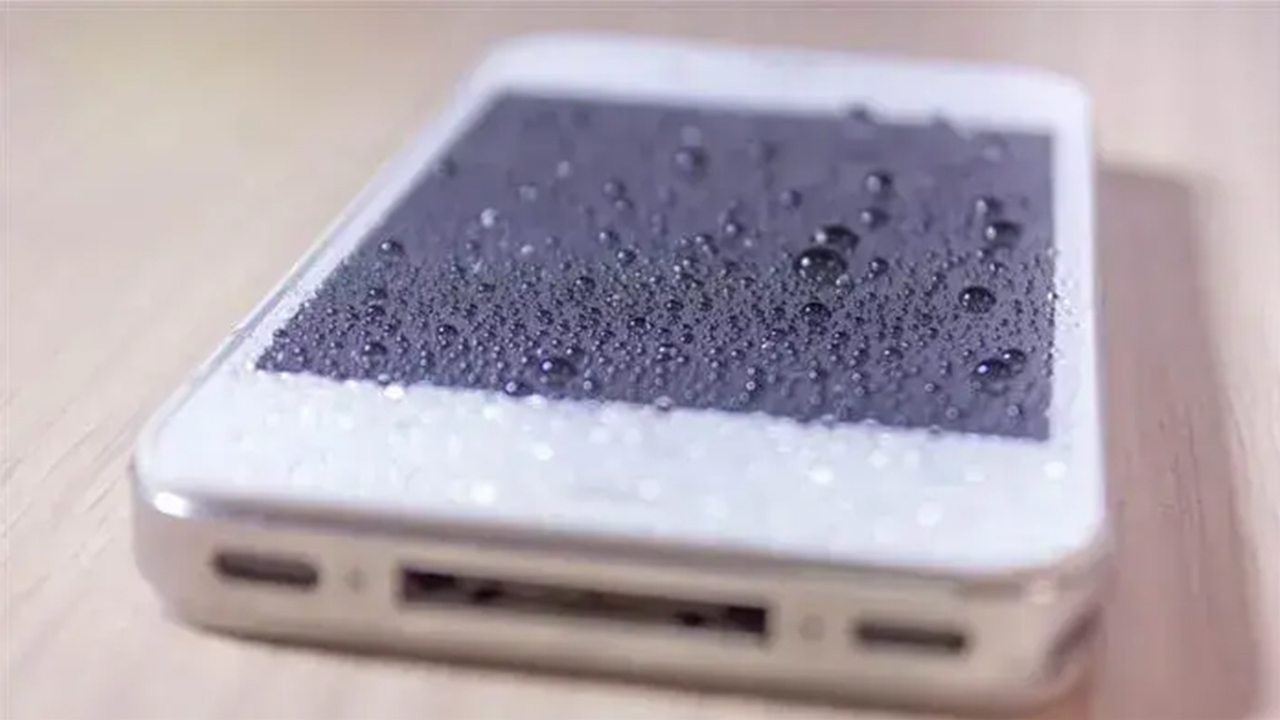
It happens to everyone eventually. The phone slips into the sink, takes a dip in the pool, or rides through the wash in a jeans pocket. What you do in the next few minutes matters more than you'd think, and a lot of the tricks people swear by actually make things worse. Here's what we tell customers who call our Horsham shop in a panic.
Pull the phone out of the water as fast as you can, then turn it off completely. Don't stop to check whether the camera still works or scroll through your messages to see if the screen is fine. Electricity running through wet components is what causes short circuits, so the sooner the phone is off, the better its chances. If it already shut itself off, leave it off. Don't turn it back on just to test it.
Charging a wet phone is one of the fastest ways to turn a fixable problem into a dead logic board. Keep it off the charger and off wireless charging pads too, even if the battery is low. Many iPhones will show a liquid detection alert when there's moisture in the charging port. If you see one, unplug and don't override it.
Take off the case, wallet or grip, and pull the SIM tray if you can do it easily. Gently wipe the outside with a soft, lint-free cloth. Holding the phone with the charging port facing down and tapping it lightly against your palm helps excess water drain out of the port.
Set the phone on a dry towel in a room with some air movement. A fan blowing room-temperature air nearby is fine. Then resist the urge to keep checking it.
The rice trick is the most famous wet-phone myth out there. Rice doesn't pull moisture out of the inside of a phone any better than open air does, and it can leave starch dust and tiny grains in the charging port and speaker openings. Apple specifically recommends against it. Meanwhile, the hours spent waiting on the rice are hours that corrosion is working on the circuit board.
Heat feels like it should help, but a hair dryer, space heater, oven or microwave can warp adhesives, damage the screen and stress the battery. Compressed air is no better, because it can push water deeper inside the phone. Leave the can in the drawer.
Cotton swabs, paper towels and toothpicks can leave fibers behind or bend the delicate pins in the charging port.
Most newer phones carry a water resistance rating, but that protection wears down with age, drops and past repairs. Salt water, pool water and sugary drinks are especially rough on electronics because they leave residue that keeps corroding the board after the phone dries out. If your phone went swimming in anything other than fresh water, get it looked at quickly.
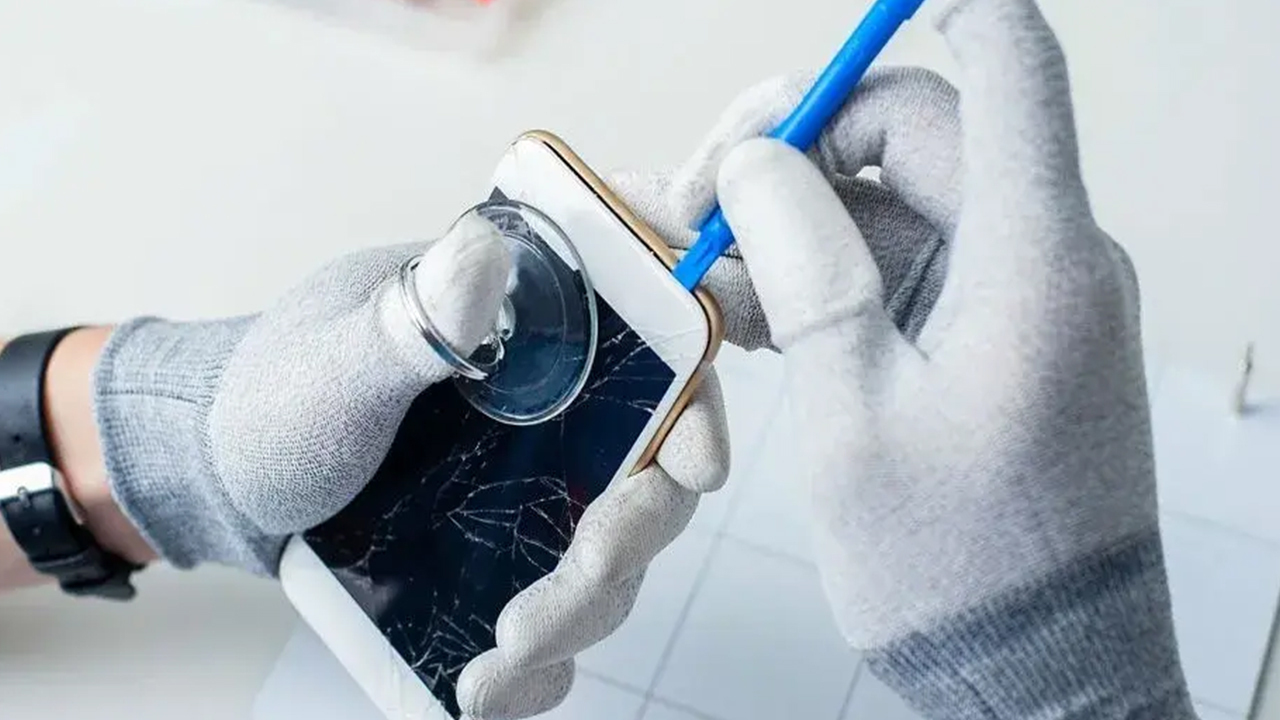
Even when a wet phone seems fine after drying, moisture and mineral residue can stay trapped on the logic board. Corrosion can show up days or weeks later as a charging port that stops working, a speaker that crackles, or a phone that suddenly won't turn on. Our technicians open the device, inspect the board and treat corrosion before it spreads.
Water damage repair is something we handle for iPhones, Samsung Galaxy phones and iPads, and you can see the rest of what we fix on our phone repair page. We'll be honest with you: water damage is unpredictable, and not every phone can be saved. That's why our diagnostics are free. We'll look the device over, tell you what we find, and give you a quote before any work starts.
Sometimes the phone itself isn't the priority. It's the pictures of the kids, the voice memos or the work files that never got backed up. We Fix Phones N More is an authorized SalvageData partner, so if a water-damaged phone can't be repaired, we can walk you through your data recovery options. Until then, keep the device powered off, since every attempt to turn it on risks more damage.
Once you're back up and running, turn on automatic backups through iCloud or Google. That way the next accident is just an inconvenience.
We're at 801 County Line Rd in the Graeme Park Shopping Plaza, an easy drive from Warminster, Hatboro and Willow Grove. Walk in Monday through Friday from 9am to 7pm or Saturday from 9am to 5pm, or call us at 215-323-4750. The sooner a wet phone gets to us, the better its chances.


Copyright © 2026 We Fix Phones N More. All rights reserved.